The Best Red Dot for M17 isn’t just about brand reputation—it’s about real-world performance under recoil, mounting compatibility, and how quickly you can acquire a dot under stress. I’ve spent extensive time running optics on the SIG M17 platform, and not all red dots perform equally once mounted on this modular handgun.
The M17 (based on the P320 platform) presents a few unique considerations: slide mass, recoil impulse, and mounting footprint all influence which optics actually hold zero and remain usable long-term. Add in deck height, co-witness potential, and emitter durability, and the list narrows fast.
Below, I break down six optics that consistently perform on the M17—covering duty-grade durability, competition-ready speed, and real-world usability.
Top Product List: Best Red Dot for M17
Trijicon RMR Type 2
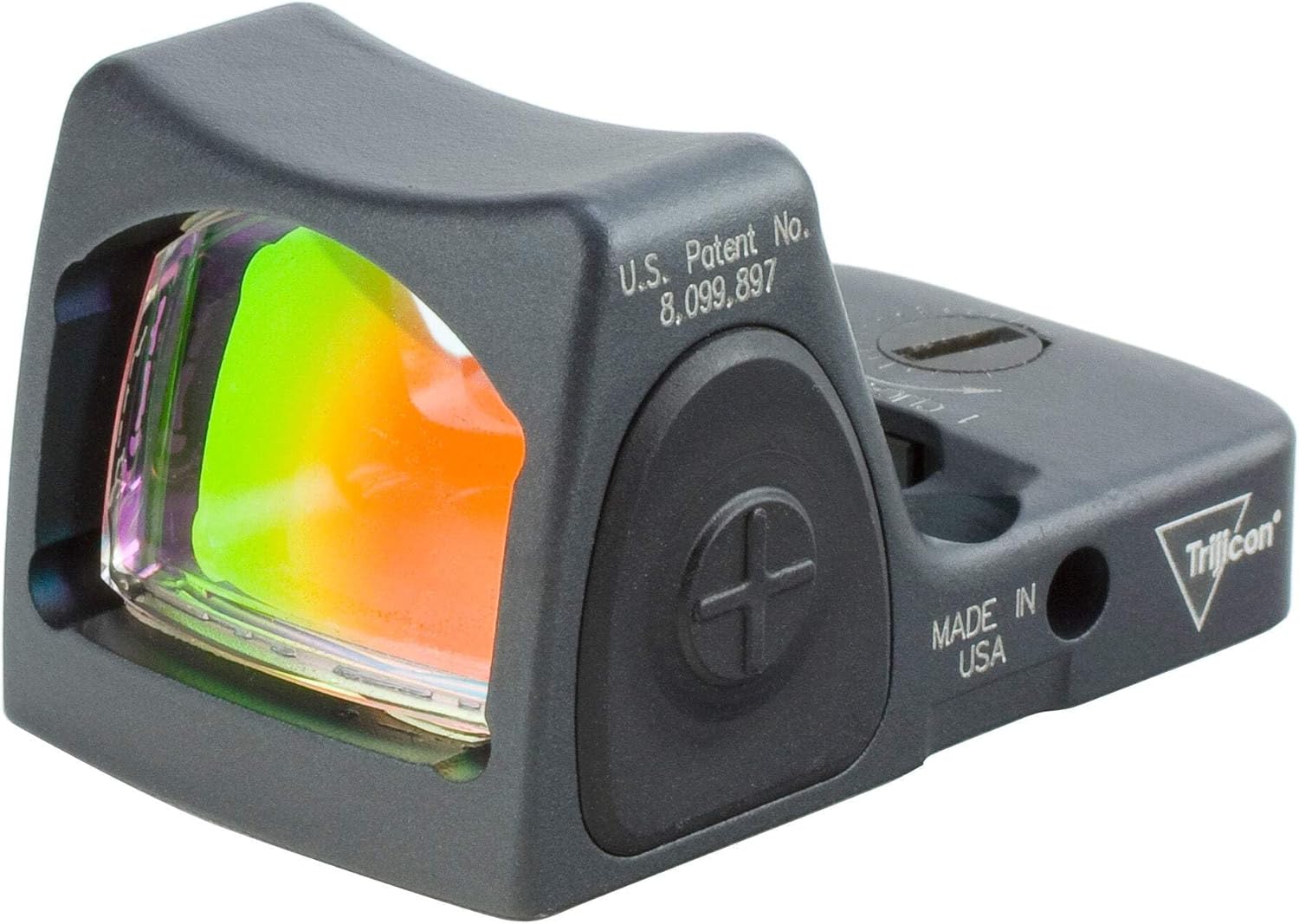
The RMR Type 2 is still the benchmark for rugged pistol optics. It’s not flashy, but it survives abuse that kills cheaper dots.
Specs
- 3.25 MOA or 6.5 MOA dot
- Open emitter
- Forged aluminum housing
- Battery: CR2032 (bottom load)
- RMR footprint
Pros
- Exceptional durability under recoil
- Proven track record on duty pistols
- Minimal parallax shift in practical use
Cons
- Bottom battery requires removal
- Noticeable blue lens tint
- Smaller window than newer optics
My hands-on notes
On the M17, the RMR tracks recoil extremely well. The dot returns predictably even with +P ammo. Parallax is minimal inside 25 yards, though at extreme angles you’ll notice slight deviation. The deck height is moderate, allowing partial co-witness with suppressor-height irons.
What people say online
Users consistently praise its durability. Many Reddit discussions highlight it as the “set-it-and-forget-it” optic, though complaints about battery access are common.
Mounting clarity
Requires an RMR adapter plate for the M17. Once installed properly with threadlocker, it holds zero reliably.
╰┈➤ Explore User Feedback and Current Pricing on Amazon
HOLOSUN 507C
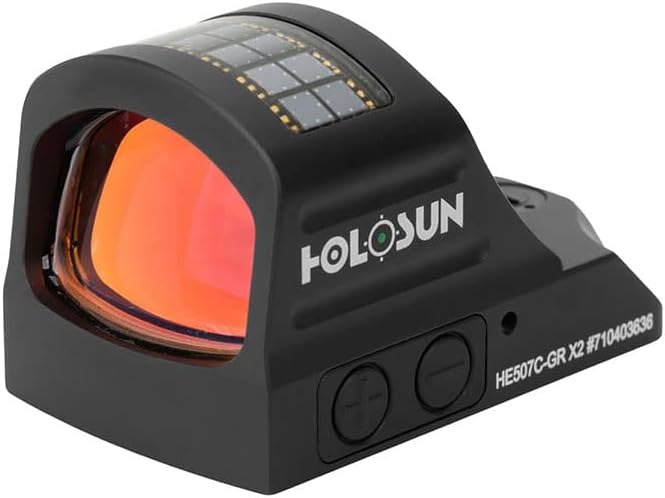
The 507C offers one of the best value-to-performance ratios available today, especially for shooters who want flexibility.
Specs
- Multi-reticle system (2 MOA dot, circle-dot)
- Solar backup + CR1632 battery
- Shake Awake technology
- RMR footprint
Pros
- Multiple reticle options
- Side battery tray
- Strong brightness range including daylight
Cons
- Slight emitter glare in certain lighting
- Lens tint more noticeable than premium optics
- Buttons are small with gloves
My hands-on notes
On the M17, the circle-dot reticle speeds up acquisition significantly. The side battery tray is a huge advantage—no need to re-zero. Parallax is well-controlled, though edge distortion appears at extreme viewing angles. Co-witness is achievable with suppressor-height sights.
What people say online
Shooters love the feature set for the price. Some concerns exist about long-term durability compared to premium brands, but most users report solid reliability.
Mounting clarity
Direct RMR footprint compatibility via adapter plate on the M17.
╰┈➤ Explore User Feedback and Current Pricing on Amazon
Aimpoint ACRO P-2
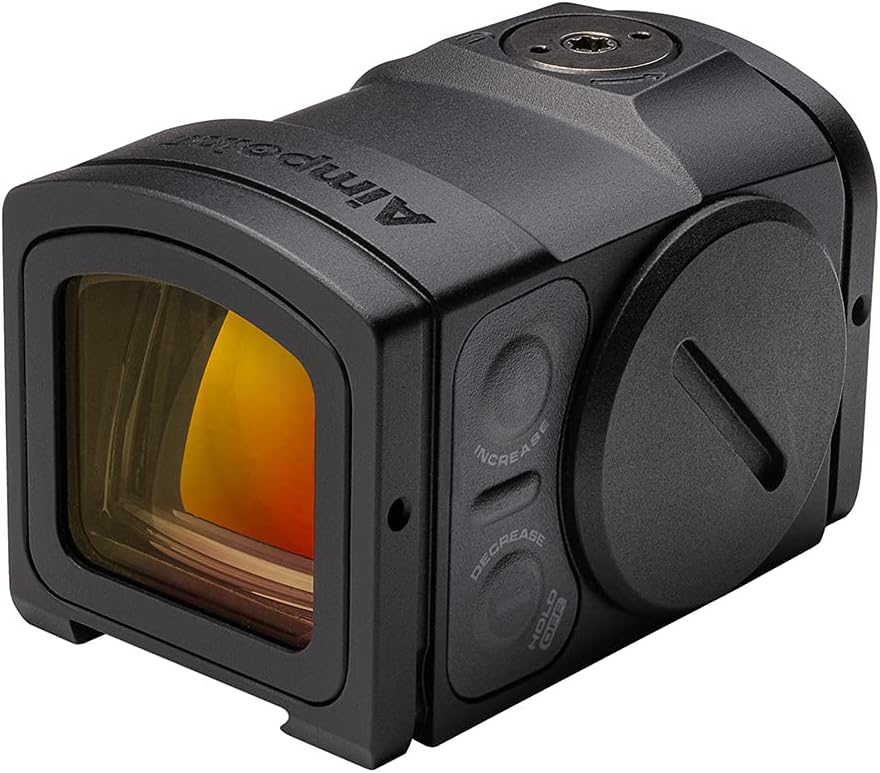
The ACRO P-2 is a fully enclosed emitter optic built for extreme environments.
Specs
- 3.5 MOA dot
- Enclosed emitter
- 50,000-hour battery life
- ACRO footprint
Pros
- Completely sealed emitter
- Outstanding battery life
- Extremely durable housing
Cons
- Heavier than open emitter optics
- Smaller window feel
- Expensive
My hands-on notes
On the M17, the added mass is noticeable but manageable. The enclosed design eliminates emitter occlusion from rain, dirt, or lint. Parallax is minimal and consistent. The window feels tighter, but the dot remains crisp and stable.
What people say online
Users praise reliability in harsh conditions. Law enforcement feedback consistently highlights its durability advantage over open emitters.
Mounting clarity
Requires an ACRO-compatible plate. Once mounted, it sits slightly higher, affecting co-witness.
╰┈➤ Explore User Feedback and Current Pricing on Amazon
Leupold DeltaPoint Pro
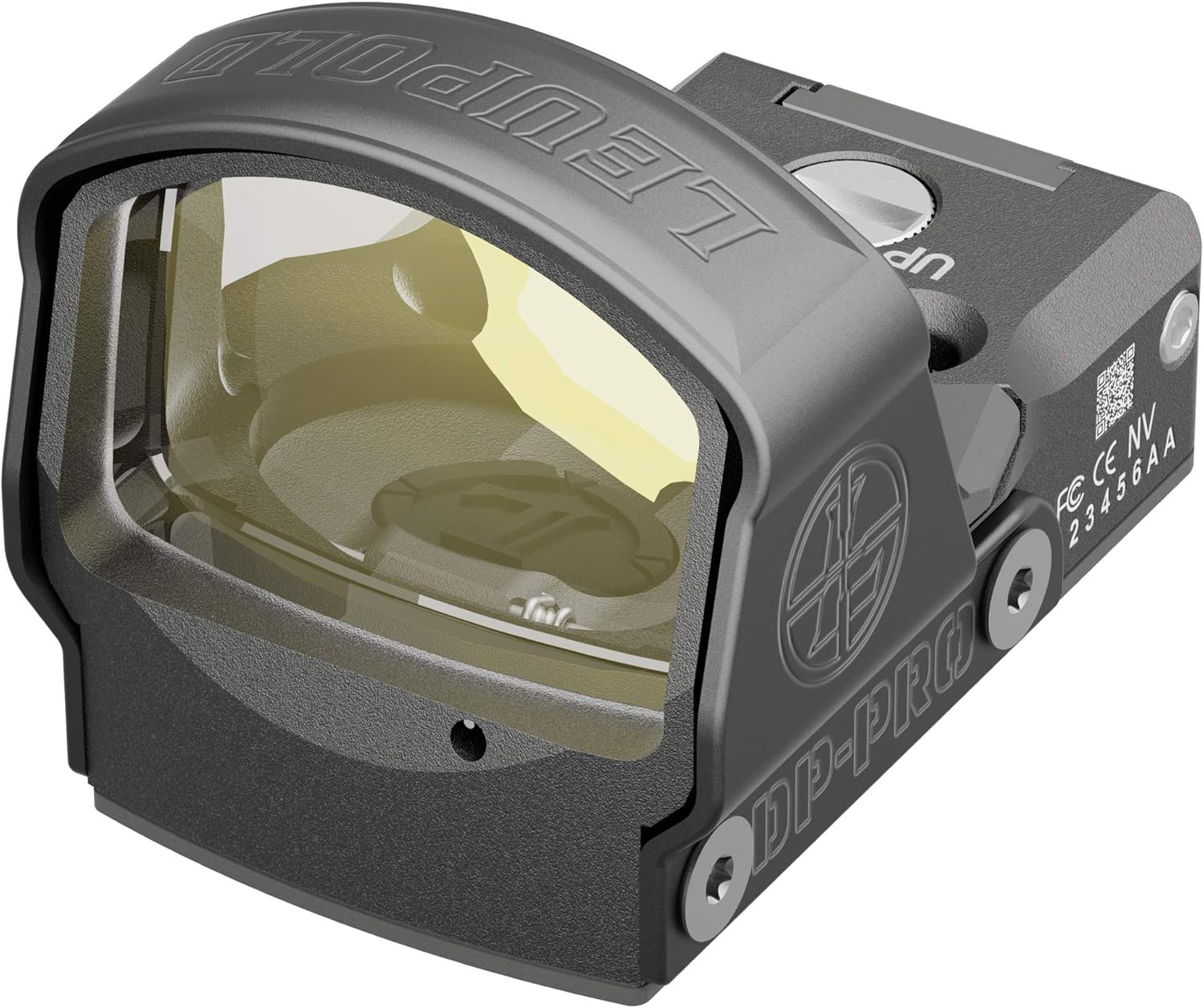
The DeltaPoint Pro excels in speed thanks to its large window and clean glass.
Specs
- 2.5 MOA or 6 MOA dot
- Large viewing window
- Top-load battery
- Proprietary footprint
Pros
- Excellent field of view
- Clear glass with minimal tint
- Easy battery access
Cons
- Less durable than RMR
- Larger profile
- Requires specific mounting plate
My hands-on notes
The wide window makes target transitions fast on the M17. Parallax is minimal in center view, though edge distortion appears more than on smaller optics. The deck height is higher, so co-witness requires taller irons.
What people say online
Competition shooters love the speed advantage. Some users report durability concerns under heavy use.
Mounting clarity
Requires DeltaPoint Pro plate for the M17 system.
╰┈➤ Explore User Feedback and Current Pricing on Amazon
Sig Sauer Romeo2
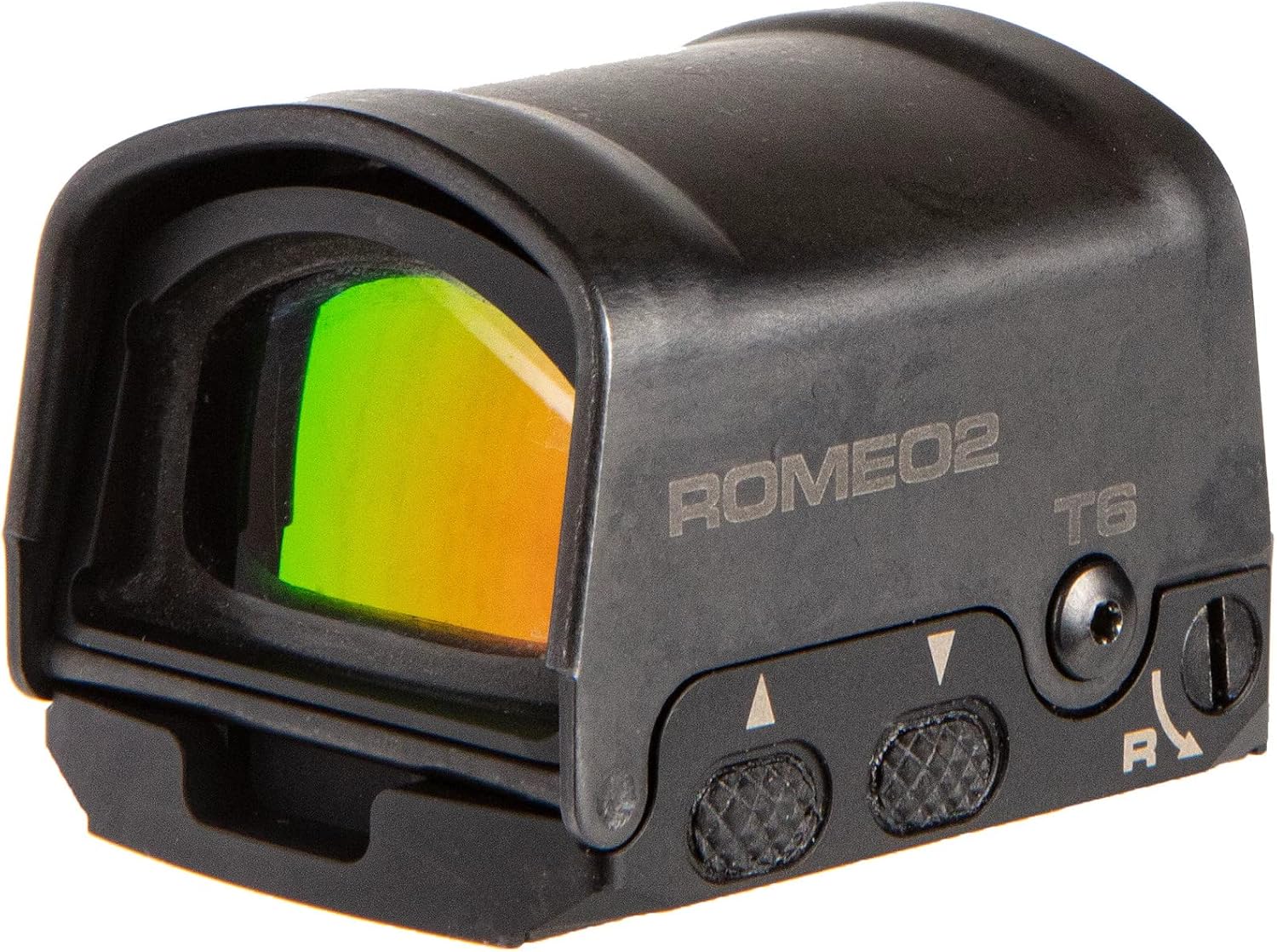
Designed specifically with the P320 platform in mind, the Romeo2 is highly adaptable.
Specs
- 3 MOA dot
- Configurable open or enclosed
- Side battery access
- Proprietary footprint
Pros
- Modular design
- Optimized for SIG pistols
- Strong recoil handling
Cons
- Bulkier than competitors
- Complex configuration
- Higher cost
My hands-on notes
On the M17, this optic feels purpose-built. Recoil impulse is handled cleanly, and the dot tracks predictably. Parallax is well-controlled. Switching between open and enclosed modes changes the shooting experience noticeably.
What people say online
SIG users appreciate the integration. Some criticism centers on size and weight.
Mounting clarity
Direct compatibility with M17 optics-ready slides (depending on variant), minimizing adapter needs.
╰┈➤ Explore User Feedback and Current Pricing on Amazon
Steiner MPS
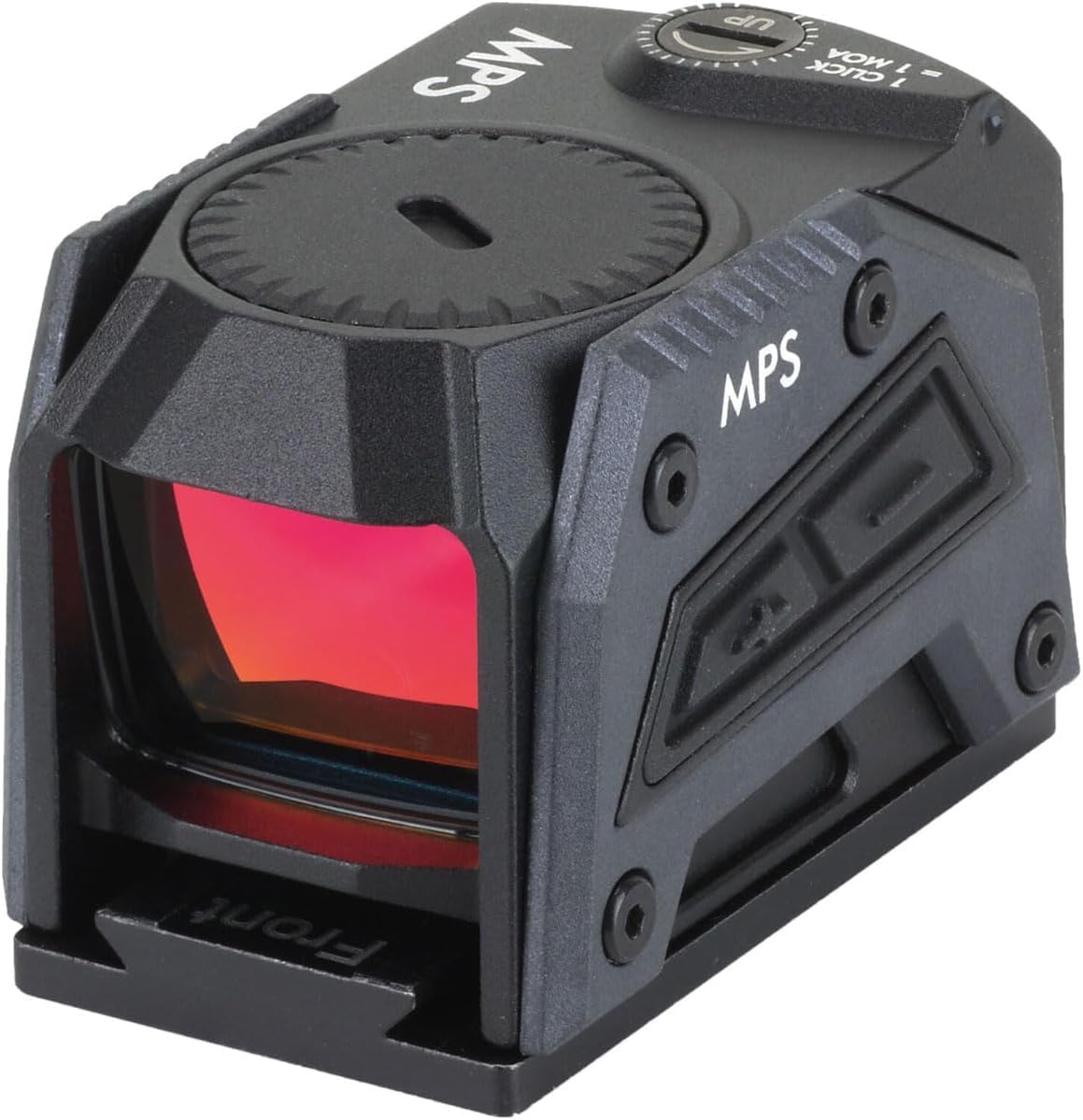
The Steiner MPS is an enclosed emitter optic built like a tank.
Specs
- 3.3 MOA dot
- Fully enclosed emitter
- Aluminum housing
- ACRO footprint
Pros
- Extremely rugged construction
- Clear glass with low distortion
- Resistant to environmental debris
Cons
- Heavier than open optics
- Limited reticle options
- Higher mounting height
My hands-on notes
On the M17, the MPS feels solid and confidence-inspiring. The enclosed emitter eliminates any occlusion issues. Parallax is minimal and consistent across the window. Co-witness is possible but requires taller irons.
What people say online
Users often compare it favorably to the ACRO, noting similar durability with slightly better glass clarity.
Mounting clarity
Requires ACRO footprint plate for M17 compatibility.
╰┈➤ Explore User Feedback and Current Pricing on Amazon
How I Tested / Evaluation Criteria
Parallax
I evaluated parallax by shifting eye position at various distances. Most optics perform well at close range, but differences appear beyond 15 yards. Enclosed emitters tend to maintain more consistent alignment under extreme angles.
Co-witness / deck height
Deck height directly affects sight picture. Lower optics allow better co-witness with standard suppressor-height sights, while taller enclosed optics often require higher irons.
Durability
I focused on how each optic handles the M17’s recoil impulse. Housing design, mounting interface, and internal electronics all contribute to long-term reliability.
Battery
Battery life and access matter. Side-loading trays and top-load systems reduce downtime, while bottom-load designs require re-zeroing.
Brightness range
Daylight visibility is critical. I tested under bright sun and low-light conditions to ensure dots remained crisp without blooming.
Glass quality
Lens clarity, tint, and distortion were evaluated. Premium optics show less color shift and better edge-to-edge clarity.
Controls ergonomics
Button size and tactile feedback matter, especially with gloves. Some optics suffer from mushy or hard-to-press controls.
Mounting ecosystem
Compatibility with the M17’s modular system is essential. Optics requiring specialized plates add complexity but can still perform well if properly installed.
How to Choose the Right Red Dot for This Gun
Choosing the right optic for the M17 isn’t just about picking a popular model—it’s about matching the optic to your intended use and the platform’s characteristics.
First, consider duty vs range use. If you need absolute reliability, enclosed emitter optics like the ACRO P-2 or Steiner MPS offer superior protection against debris. Open emitters like the RMR or 507C are lighter and faster but require more maintenance in harsh conditions.
Next, think about window size and speed. Larger windows, like the DeltaPoint Pro, make target acquisition faster, especially in competition. However, they often come with tradeoffs in durability and size.
Mounting compatibility is critical. The M17 uses a modular optics system, and not all footprints mount directly. RMR-pattern optics are the most versatile due to widespread plate availability.
Battery design also matters more than most shooters expect. Side-loading batteries reduce downtime and eliminate the need to re-zero after replacement.
Finally, evaluate co-witness and deck height. If you rely on backup irons, choose an optic that sits low enough to allow a usable sight picture.
The ideal choice balances durability, usability, and compatibility—not just specs on paper.
FAQs
1. Do all red dots fit the M17 directly?
No. Most require adapter plates depending on the footprint. RMR is the most common.
2. Are enclosed emitter optics worth it?
Yes, especially for duty or harsh environments where debris can block the emitter.
3. What MOA dot size is best?
3–3.5 MOA is a balanced choice for both precision and speed.
4. Can I co-witness with standard sights?
Usually not. Suppressor-height sights are typically required.
5. How often should I replace batteries?
Even with long battery life, I recommend replacing annually for reliability.
Conclusion
Finding the Best Red Dot for M17 comes down to balancing durability, mounting compatibility, and real-world usability. After extensive testing, optics like the RMR Type 2, ACRO P-2, and 507C stand out for their ability to handle recoil, maintain zero, and deliver consistent performance.
Each option here serves a different purpose—whether you prioritize ruggedness, speed, or modular flexibility. The key is choosing the optic that matches how you actually run your M17, not just what looks best on paper.